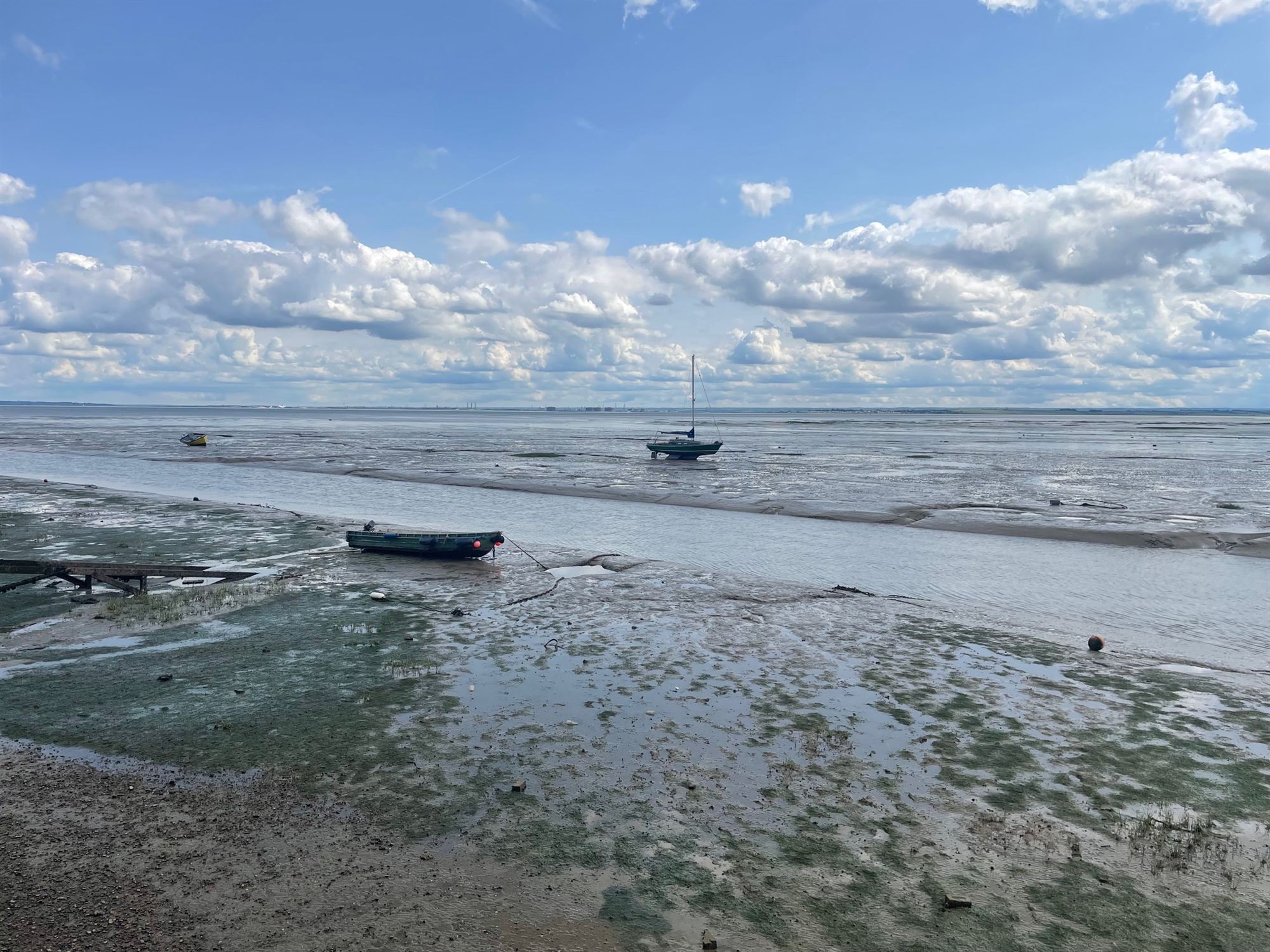
The Thames Estuary
The Thames Estuary is home to internationally important habitats, productive food systems (both land and marine-based), transport systems and logistical hubs, diverse industries (e.g. tourism, food, education, manufacturing and logistics), historical sites and fossils.
It offers a range of landscapes – post-industrial, agricultural and natural – which attract a large number of visitors. It has a rich cultural heritage, and historically there has been a deep connection between those living in the estuary and the natural environment.
This is a region earmarked for growth – the provision of new housing, expansion of transport infrastructure, data centres and hydrogen infrastructure – which threatens the local ecosystem, on which its economy in part depends.
REGENYSYS is exploring how taking a different approach to development – a regenerative approach – could help to restore nature, make better use of resources and create lasting social and economic benefits for local people.
A regenerative Thames Estuary
Our vision is for a Thames Estuary where nature, local economies and communities thrive together.
- {{h.text}}
Transitioning to a regenerative economy
The Thames Estuary region is currently testing and exploring regenerative economic opportunities, but these remain small-scale and dispersed. The question is: can it shift from an economic system dependent on growth to one which is regenerative?
REGENYSYS combines systems thinking, design thinking and transitions thinking to understand the potential and explore practical pathways towards a regenerative economy.
- Systems thinking: exploring the challenges to transition and identifying the levers for change
- Design thinking: co-designing the levers for change with local stakeholders and testing them with experiments
- Transitions thinking: determining the potential for a systemic transition to happen
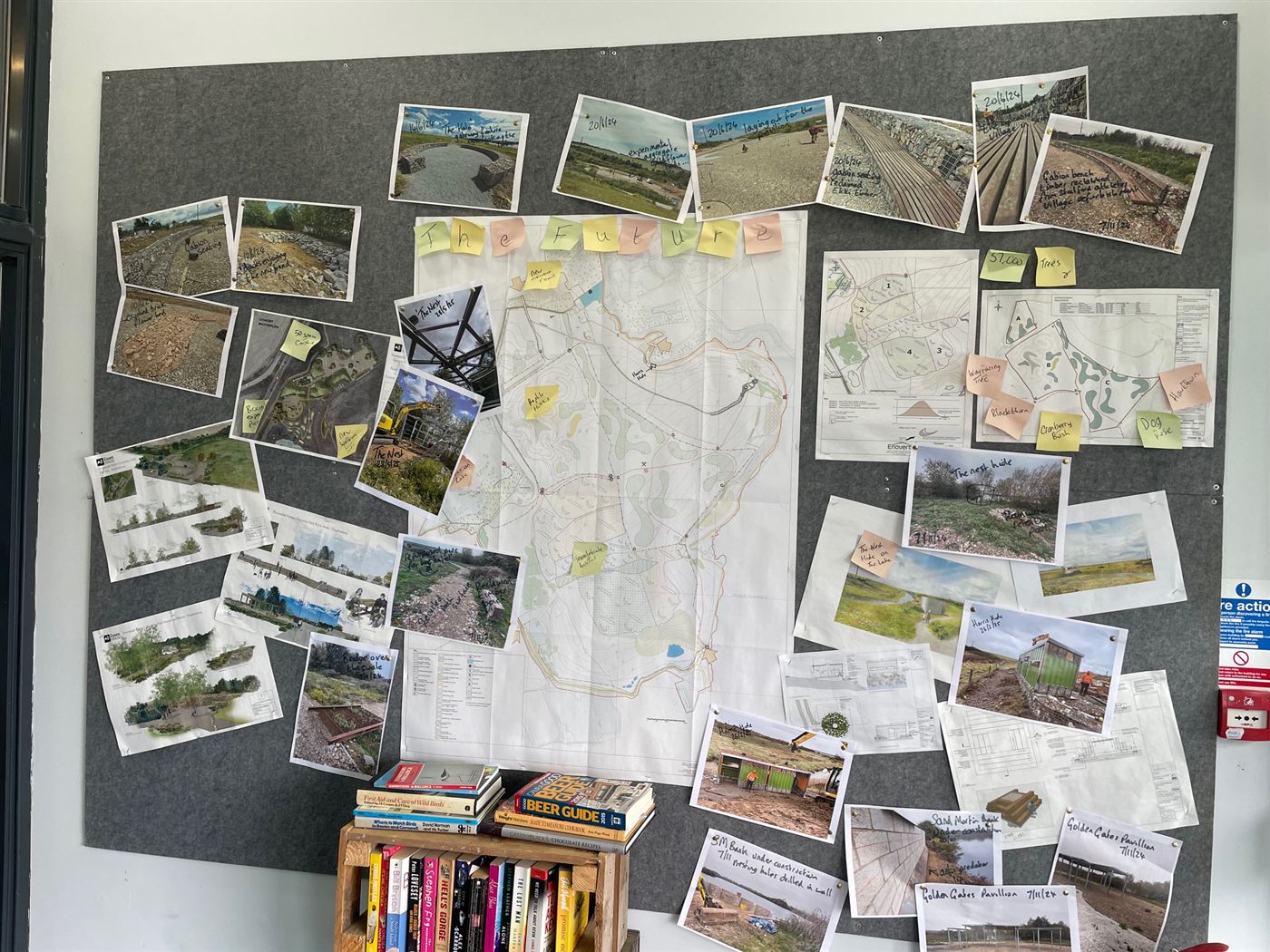
Four integrated systems for a regenerative transition
REGENYSYS explores four integrated systems that are fundamental to the successful emergence of a regional regenerative economy.
Our research examines the opportunities and the challenges these systems face.
Explore the four systemsInnovation across the estuary
Across the Thames Estuary, organisations and communities are already developing approaches to nature recovery, regenerative food production, circular resource use and ecological stewardship.
Our Regenerative Innovation Database highlights examples of these activities, helping to make existing initiatives visible and identifying opportunities for scale-up, connection and collaboration.
A few of the projects in the database. Scroll the list to see more ↓Our transition experiments will explore how existing initiatives can be scaled up, replicated or better connected to transform the local economy. Explore our transition experiments →
2024 → 2029
- {{p.name}}{{p.when}}
Young people shaping the estuary’s future
Young people have an important role in shaping a more regenerative Thames Estuary.
Through a range of experiences and online tools, REGENYSYS aims to create a variety of pathways into the new regenerative economy.
The people behind REGENYSYS
-
{{m.name}} {{m.role}}
Latest news
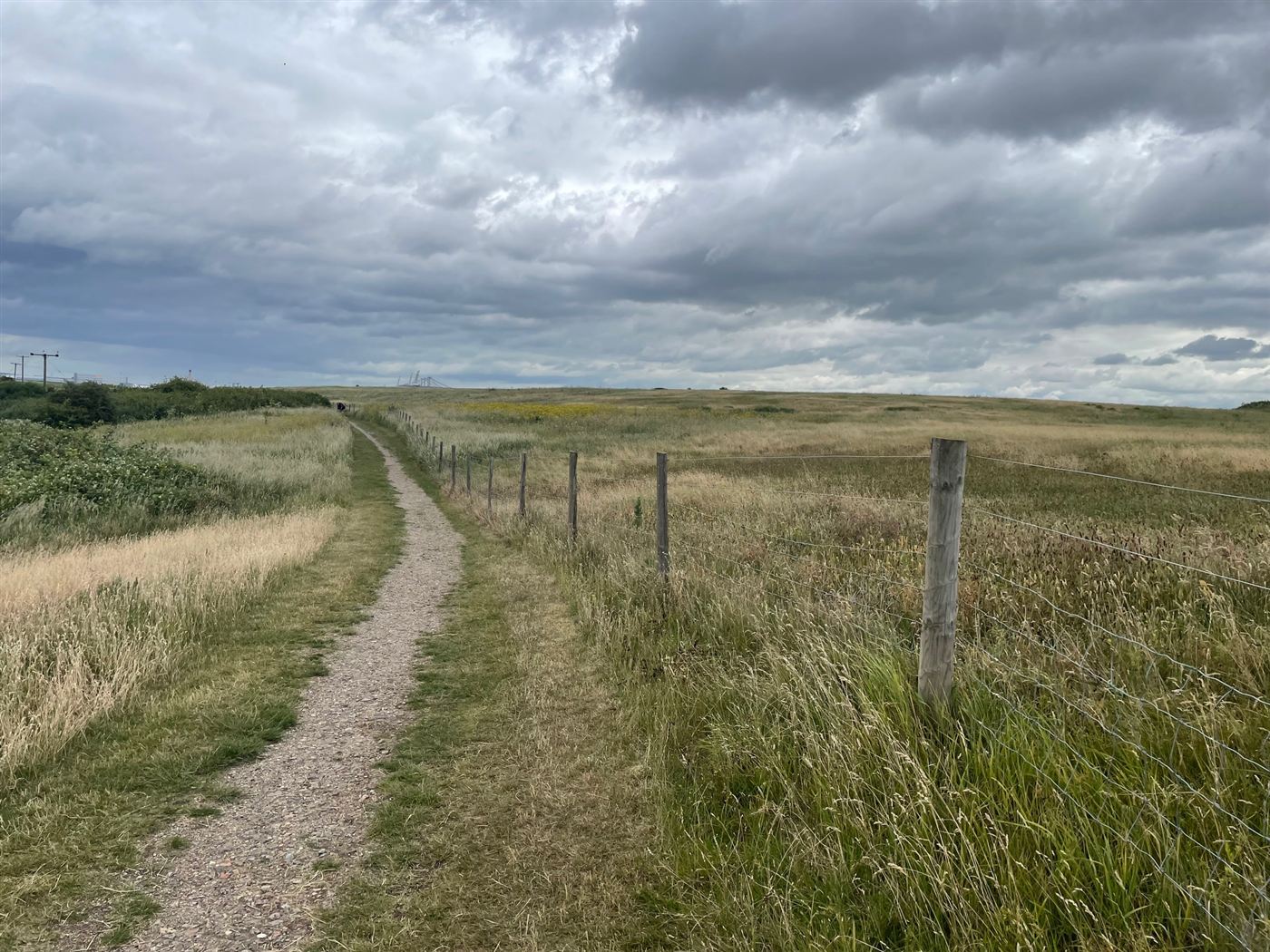
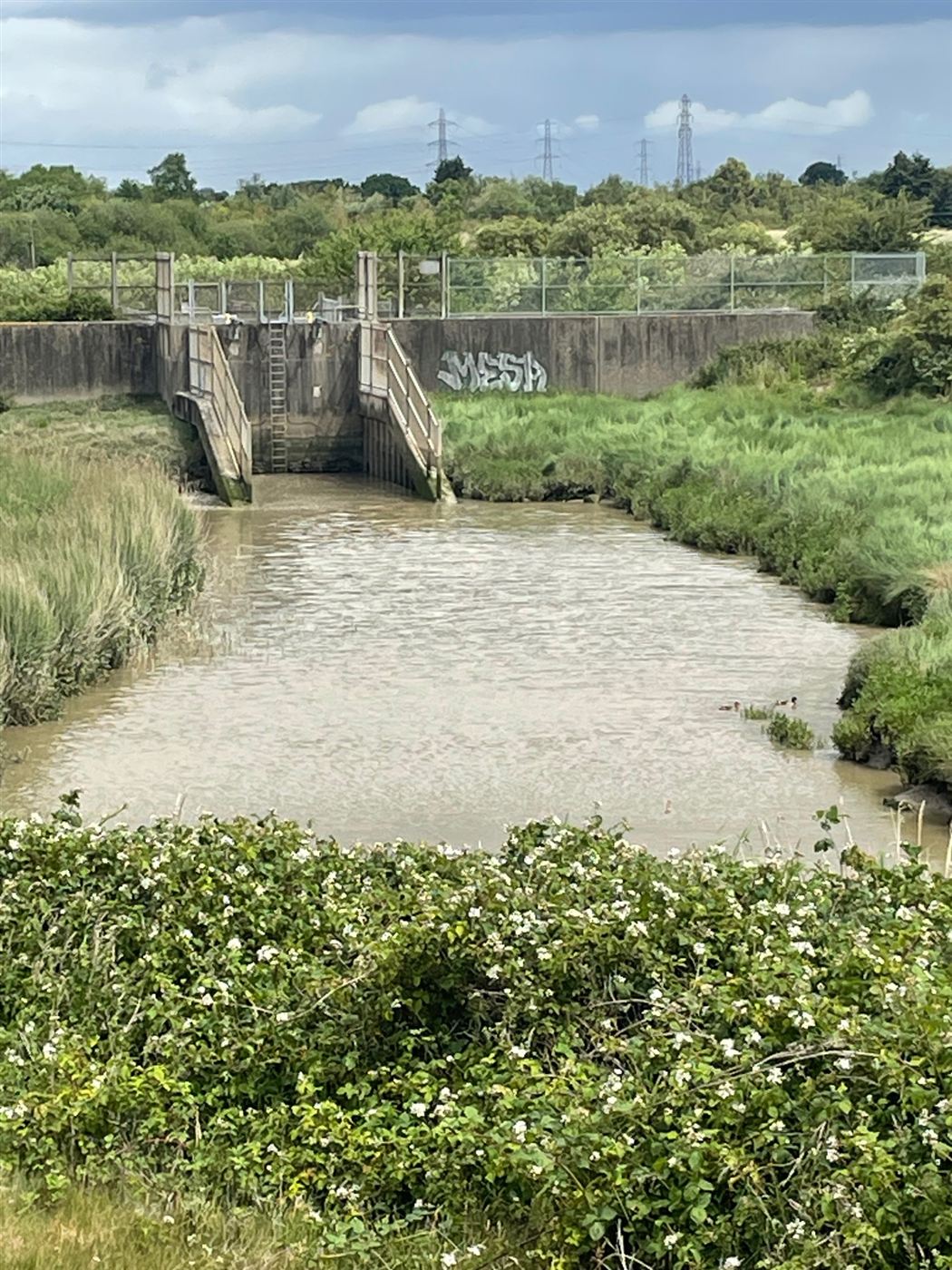
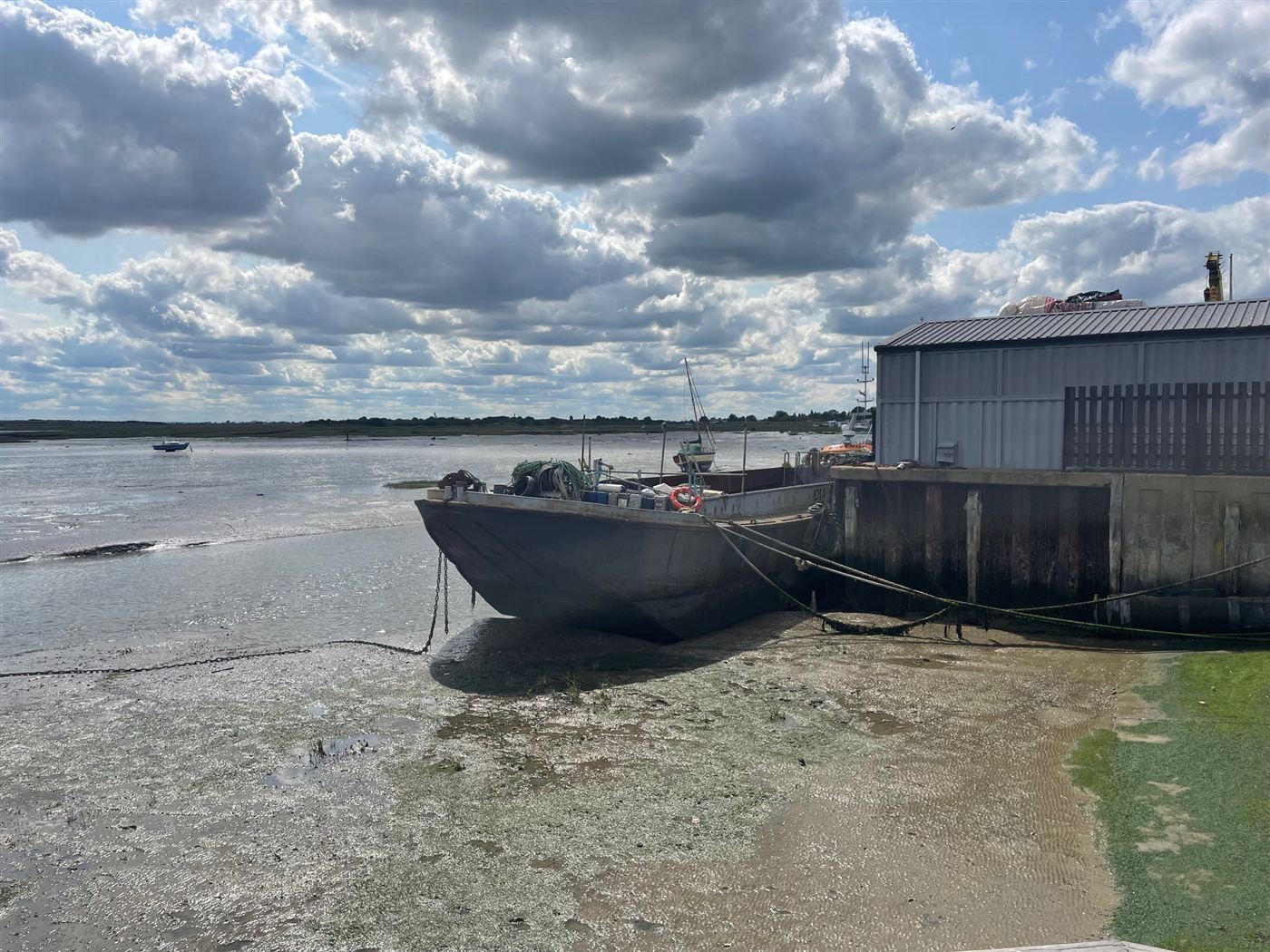
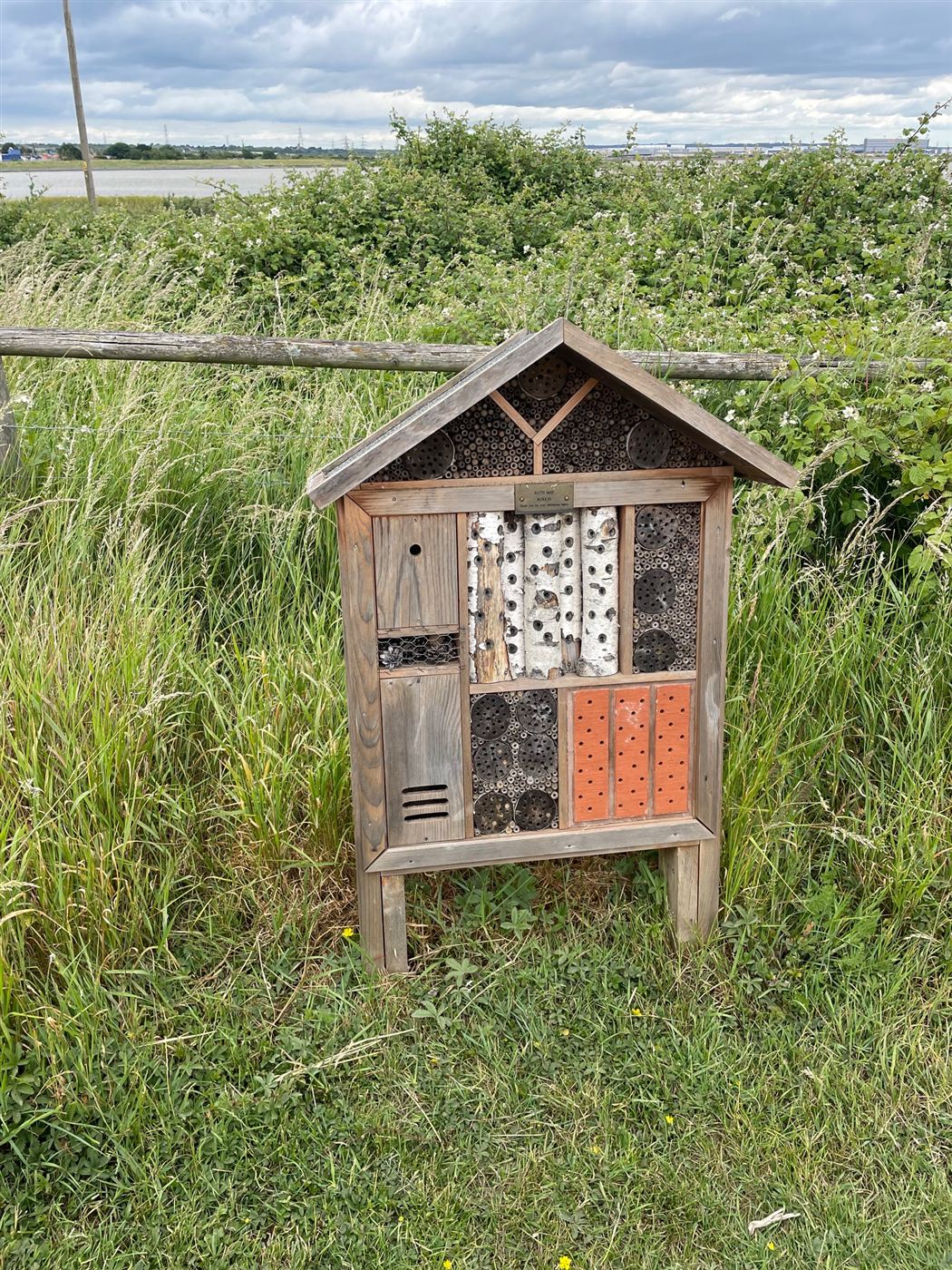
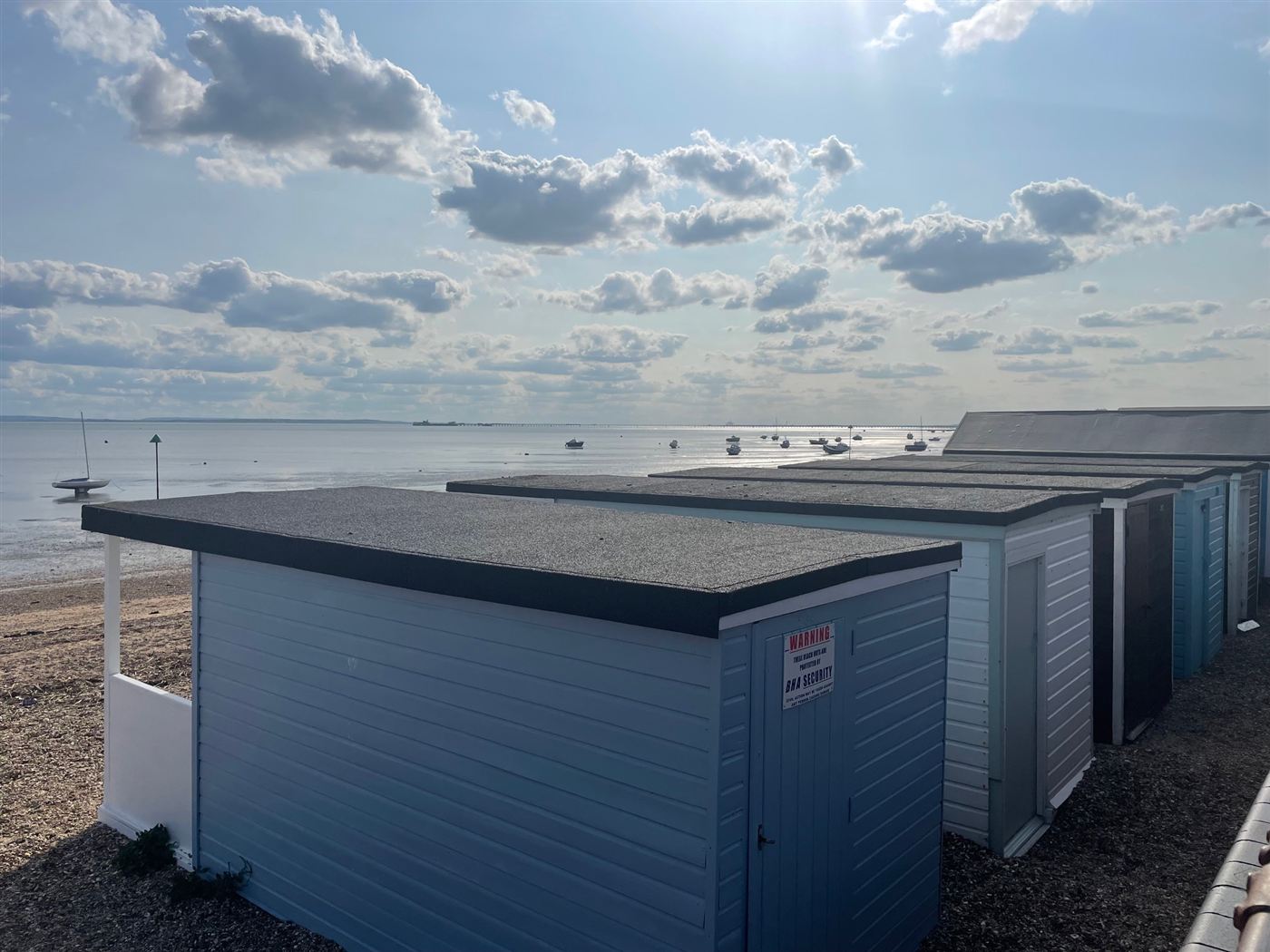
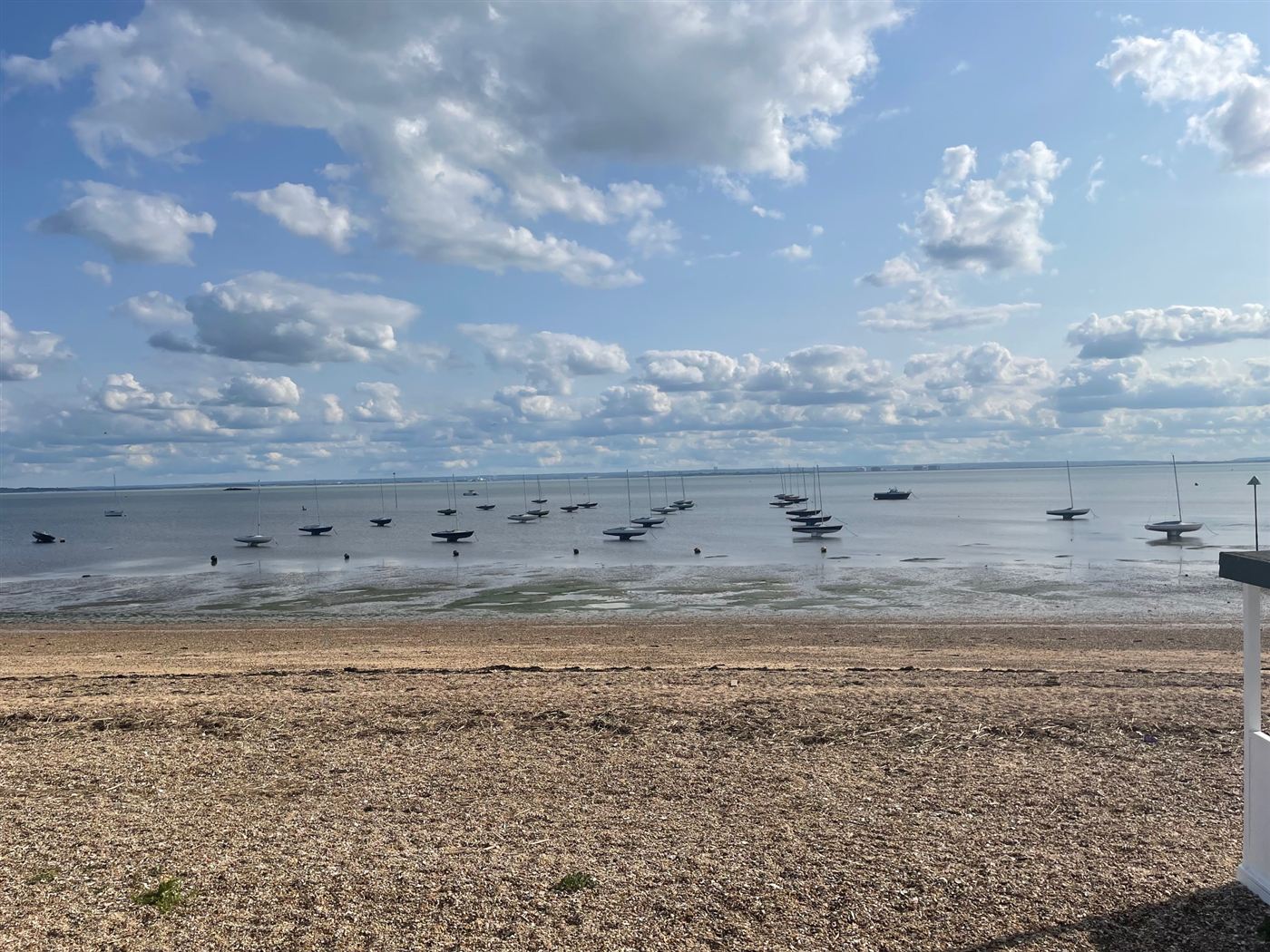
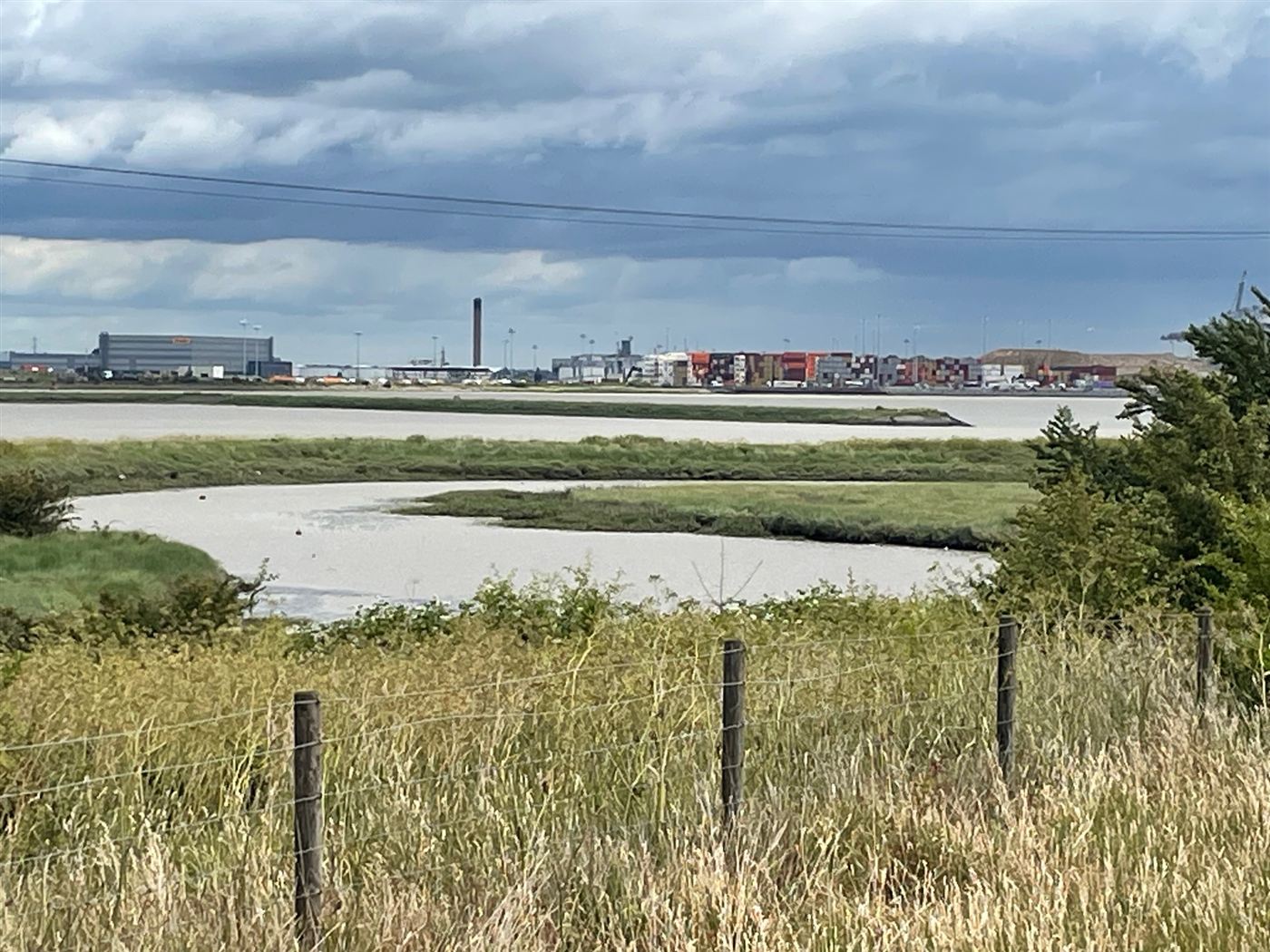
Scenes from the estuary
From saltmarshes and wildlife habitats to working waterfronts and coastal communities, the Thames Estuary brings together a diverse range of landscapes and activities.
We’d love to hear from you
Whether you’re part of a community group, school, business, public organisation or research institution — or simply care about the future of the estuary — we’d welcome the opportunity to connect. Share your ideas, ask a question or explore opportunities to work with us.
Latest from the living lab
Follow our research, events and activities across the Thames Estuary.
See the latest updates →Thames Estuary Regeneration Network
Connect with organisations and individuals interested in regeneration across the estuary.
 Scan to join on LinkedIn
Contact the REGENYSYS team
For enquiries, collaboration or opportunities to get involved.
[email protected]A regenerative regional living system for the Thames Estuary. Funded by the Economic and Social Research Council.
Privacy & cookiesUCL Bartlett · Cranfield University · 2024–2029